

Analysis of the Overseas and Chinese Markets for Projectors from a Global Perspective
2026-01-29
I. Chinese Manufacturers in the International Market
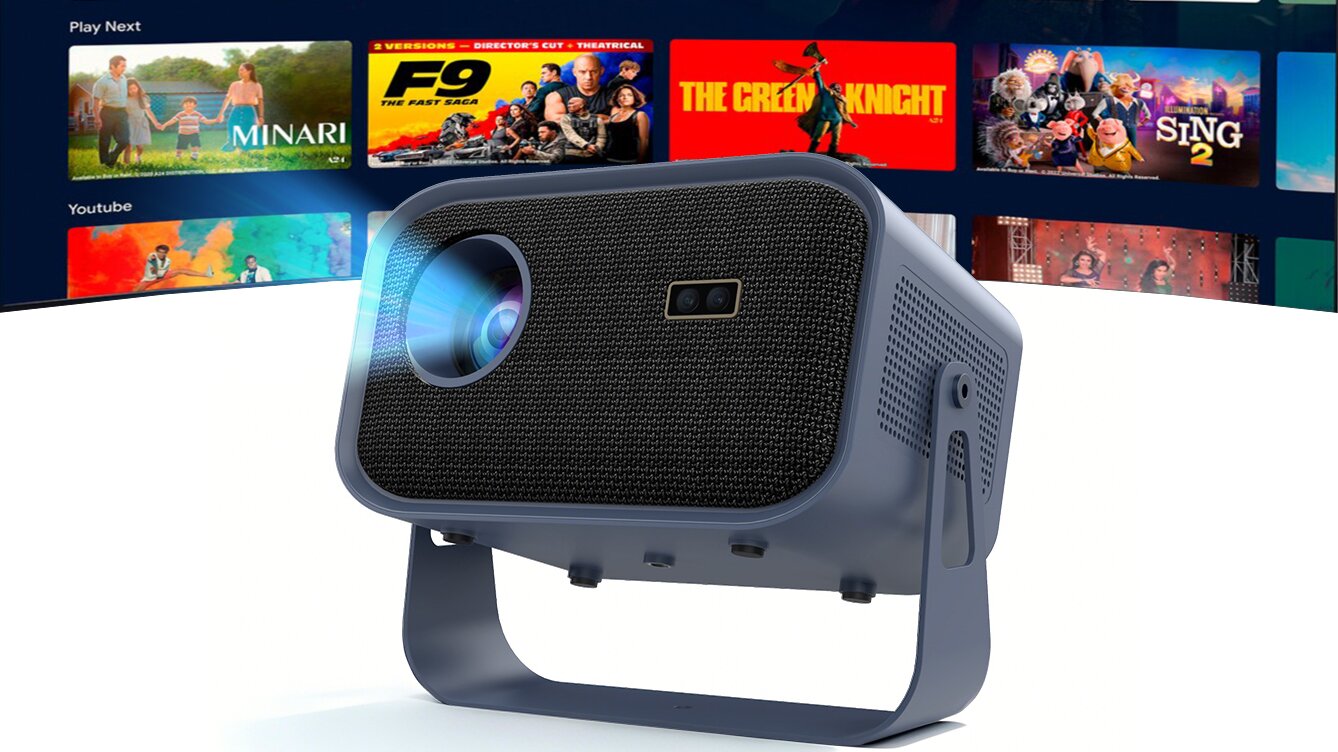
Chinese brands perform exceptionally well in the global portable projector market. In 2025, XGIMI holds a market share of nearly 29.5%, while JMGO accounts for about 19.7%. Together, they occupy nearly half of the market.
When including commercial, educational, and high-end large-cinema projectors, Epson holds approximately 15.3% of the market share, BenQ around 19.7%, and LG about 28.1%. These brands lead with their B2B channels and established brand reputation. Meanwhile, XGIMI’s overall global market share stands at approximately 5.6%.
II. Key Challenger Products
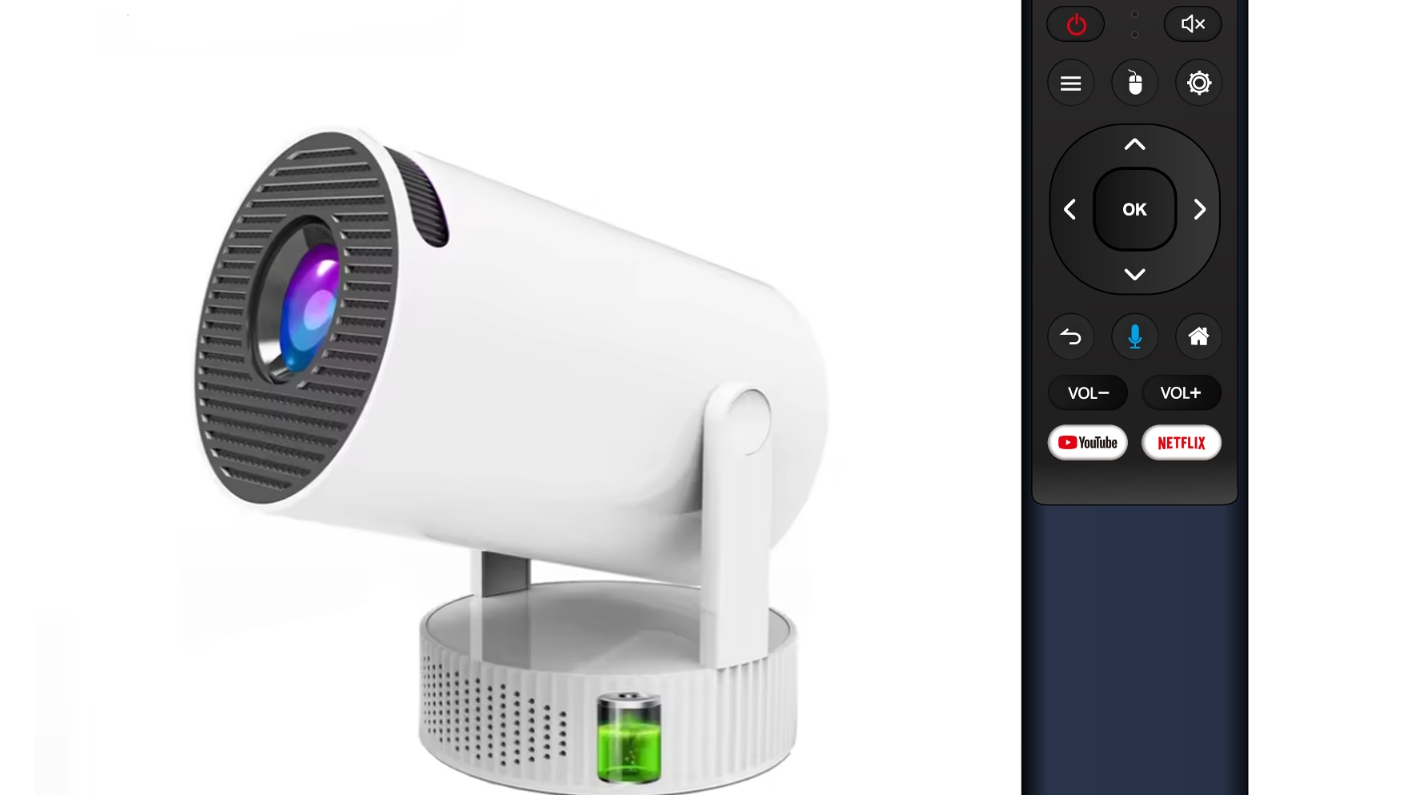
Samsung's compact The Freestyle series enjoys strong brand recognition and a well-established home appliance ecosystem. The JMGO N series, featuring gimbal projection technology, differentiates itself through industrial design with tri-color laser technology and an integrated gimbal mechanism.
Competing against Epson’s Home Cinema series, which offers high brightness of 4,000+ lumens powered by 3LCD technology and a stable retail channel network, XGIMI’s Horizon Ultra addresses the speckle issue of tri-color lasers with its "Hybrid Light Source" technology, offering competitive color balance against 3LCD.

In response to the localized marketing and cost-effectiveness advantages of Amazon’s native brands, XGIMI has entered Best Buy stores across the United States, while JMGO leverages TikTok Shop and overseas crowdfunding platforms in an effort to break Anker's online dominance.
III. Southeast Asia Market Overview
The Southeast Asia market is considered a blue ocean, but each country imposes its own mandatory certifications, which serve not only as administrative hurdles but also as significant technical costs. Singapore has stringent requirements for wireless radio frequency stability and Wi-Fi 6 performance, with certification processes often involving technical evaluations lasting three to six months. Thailand and Malaysia mandate the appointment of local agents and enforce strict telecom-grade equipment registration. Indonesia requires projectors to have robust digital signal reception capabilities and compatibility with specific frequency bands.
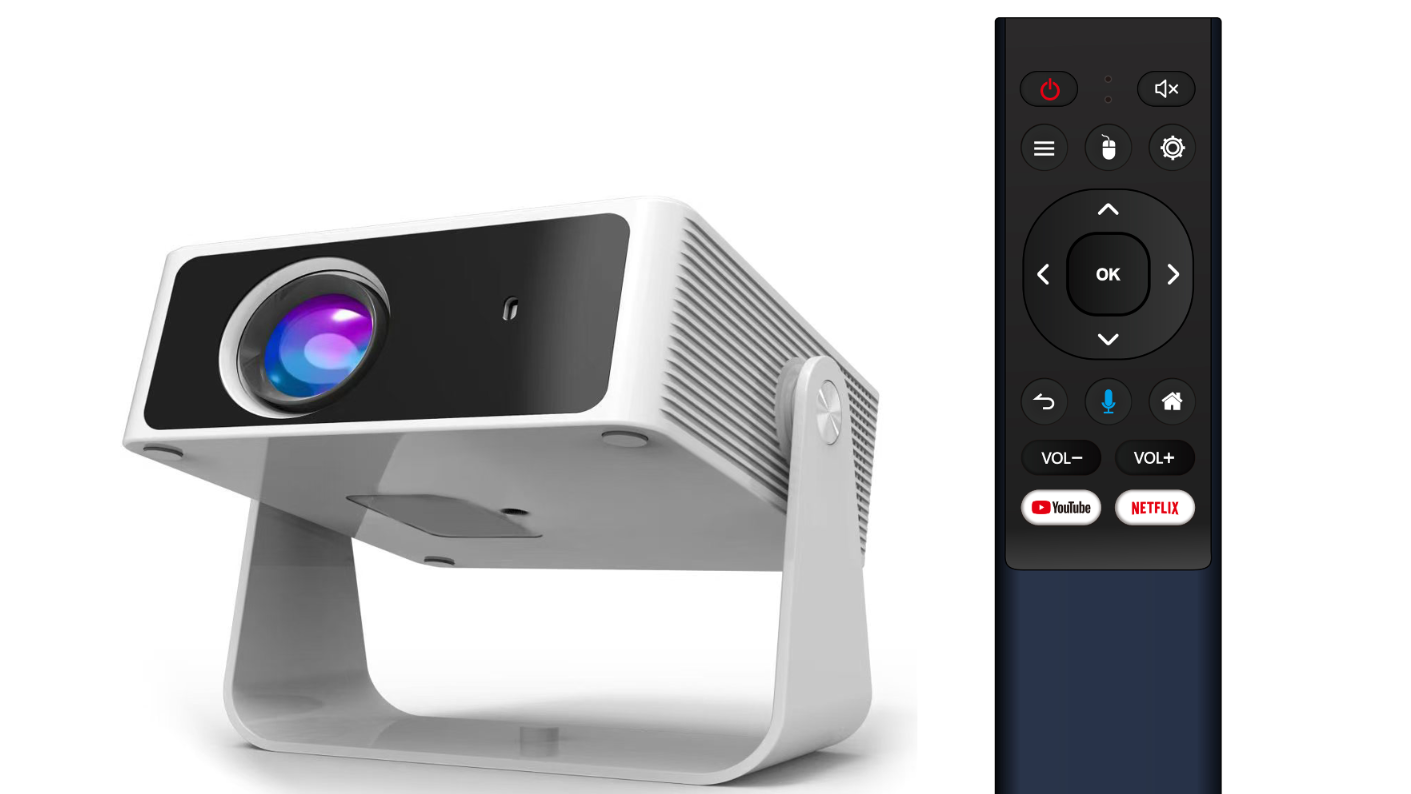
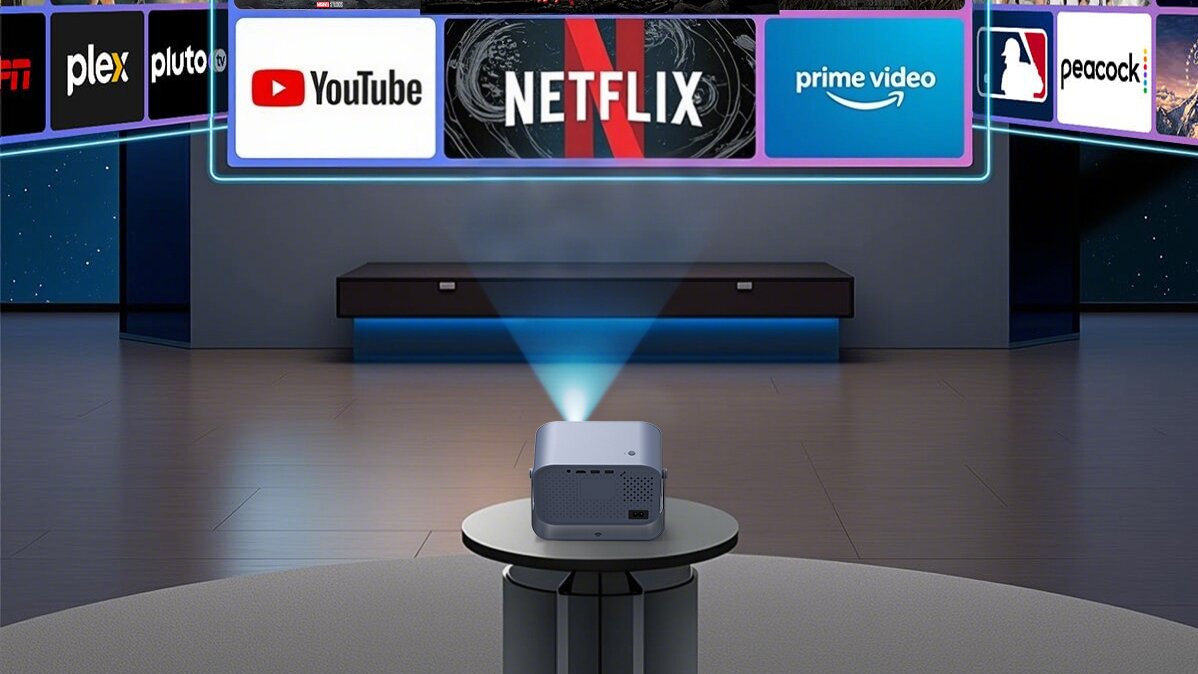
Unlike the enclosed ecosystem in China, Southeast Asian users heavily rely on YouTube and Netflix. Many Chinese unbranded or low-end projectors, lacking Netflix ESN authorization, can only stream content through cracked versions or web browsers. In contrast, XGIMI and JMGO have pre-installed native Android TV systems and secured necessary authorizations for their overseas models, which serves as a core differentiator from low-priced alternatives.
Southeast Asia's tropical climate imposes unique demands on projector thermal management systems. Specifically, 1LCD projectors are prone to polarization film aging, leading to "dark spots" under high temperature and humidity conditions. Chinese brands are introducing sealed optical engines and dynamic liquid cooling technologies into their high-end models for the Southeast Asian market to address the high failure rates of traditional air cooling systems in humid environments.
IV. The Chinese Market from an International Perspective

According to Futuresource data, China's mainstream B2B projector market experienced a sharp quarterly shipment decline of nearly 40% in 2025.
Omdia data indicates that China’s share of global projector unit shipments has narrowed slightly, receding from its historical peak. Some demand is shifting to Southeast Asian countries like Indonesia, Vietnam, and India, which are currently in a phase of rapid expansion in digital education and home theater adoption.
International institutions unanimously view the overseas expansion potential of Chinese brands such as XGIMI, Dangbei, and JMGO favorably. 24MarketReports notes that Chinese manufacturers, leveraging their strengths in smart systems and cost-effective laser technology, are capturing market share in the mid-to-low-end segments of Southeast Asia and Europe from brands like Epson and BenQ.
V. Expectations for 2026
Data from international institutions indicates that although domestic consumption in China remains sluggish, nearly the entire global supply chain for 1LCD technology and cost-reduction solutions for tri-color lasers originates from China. In 2026, the significance of the Chinese market will increasingly shift toward exporting technology and related standard solutions.
Omdia forecasts that while global projector shipments may experience a slight decline in 2026, the "display area" is expected to grow by 6%. This trend suggests that projectors are becoming increasingly "larger," with significant growth anticipated in high-brightness and ultra-short-throw models.
IDC predicts that 2026 will mark the advent of the agent-based AI era. For the projector industry, this means AI will evolve beyond automatic focus to "scene perception." For instance, projectors will automatically adjust screen colors and content recommendations in real-time based on room lighting, wall color, and even the user's emotional state.
Name: Janice
Email: sales11@ihomebox.com
Tel/Whatsapp: +86 19926651189